Discover Ramen Ryoma Hillcrest
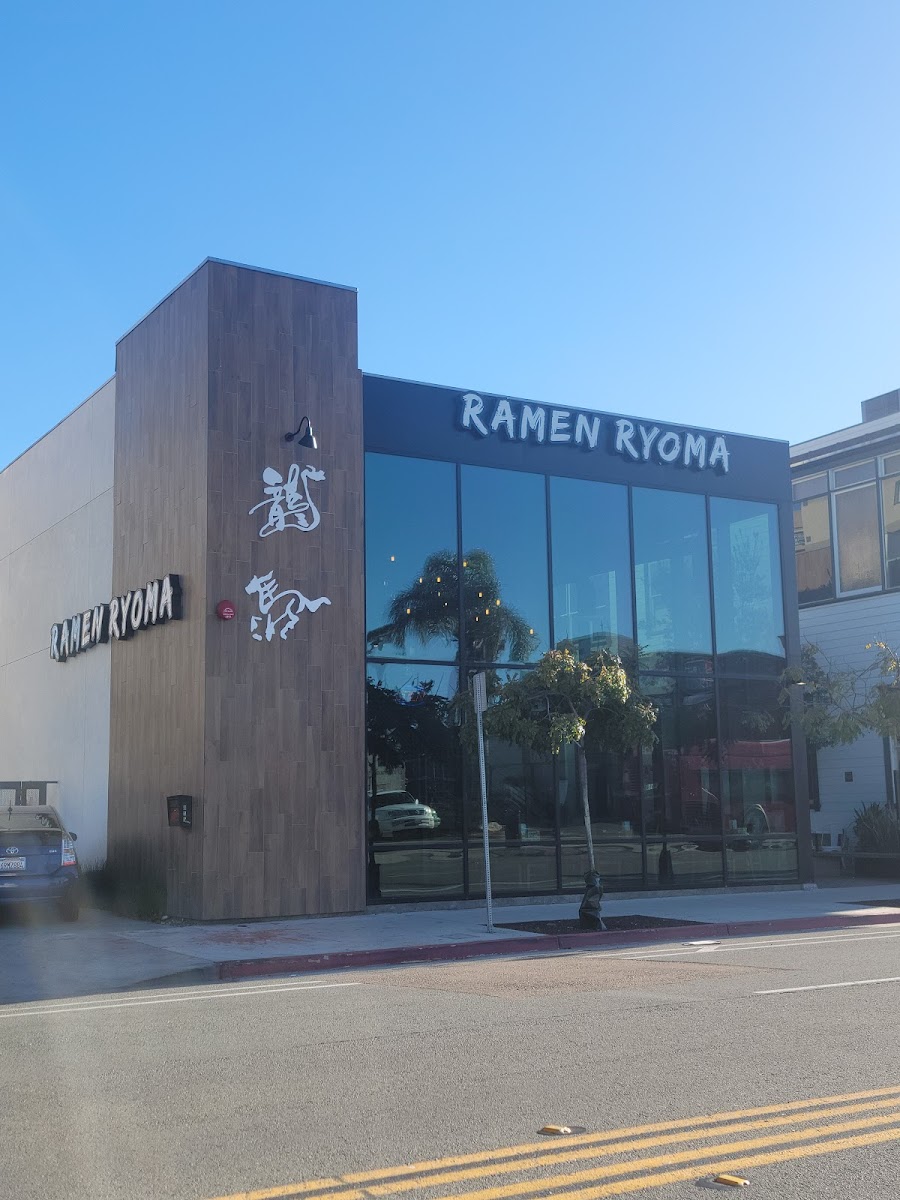
Walking into Ramen Ryoma Hillcrest for the first time felt like finding a hidden comfort spot in the middle of a busy San Diego neighborhood. The location at 815 University Ave, San Diego, CA 92103, United States sits right in the heart of Hillcrest, surrounded by coffee shops and bars, but the second you open the door you’re greeted by the warm smell of simmering pork broth and garlic oil.
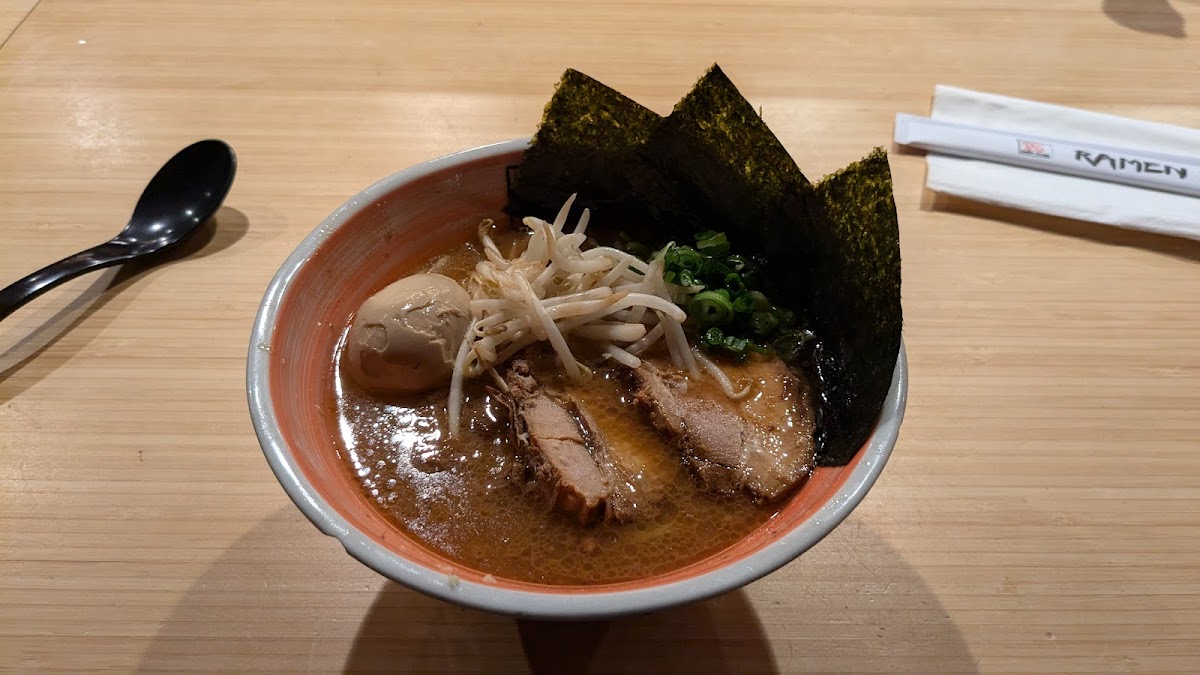
I’ve eaten ramen all over California, and this place instantly reminded me of the small Tokyo shops I visited during a college food tour in 2019. What sets this spot apart is its focus on Hakata-style tonkotsu. The broth here is cloudy, rich, and thick without being greasy. According to data from the Japan External Trade Organization, tonkotsu broth requires boiling pork bones for at least 12 hours to extract collagen and flavor, and you can taste that patience in every spoonful. I once chatted with one of the servers who explained that their kitchen follows a similar long-simmer method every morning before service even starts.
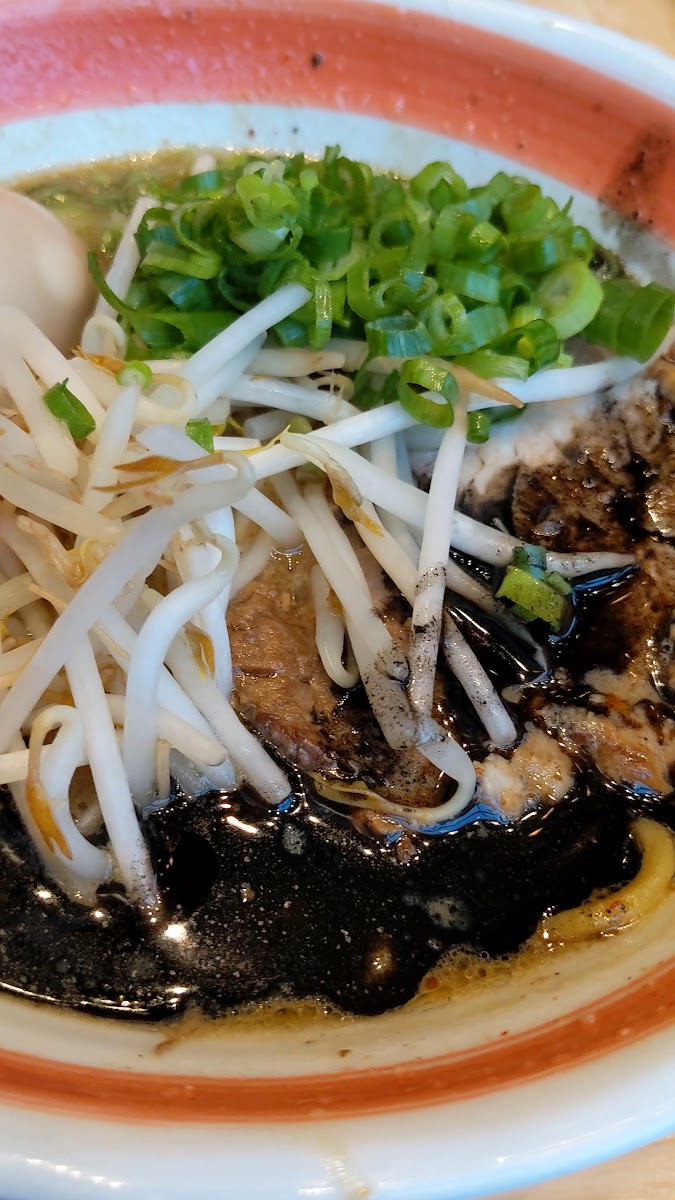
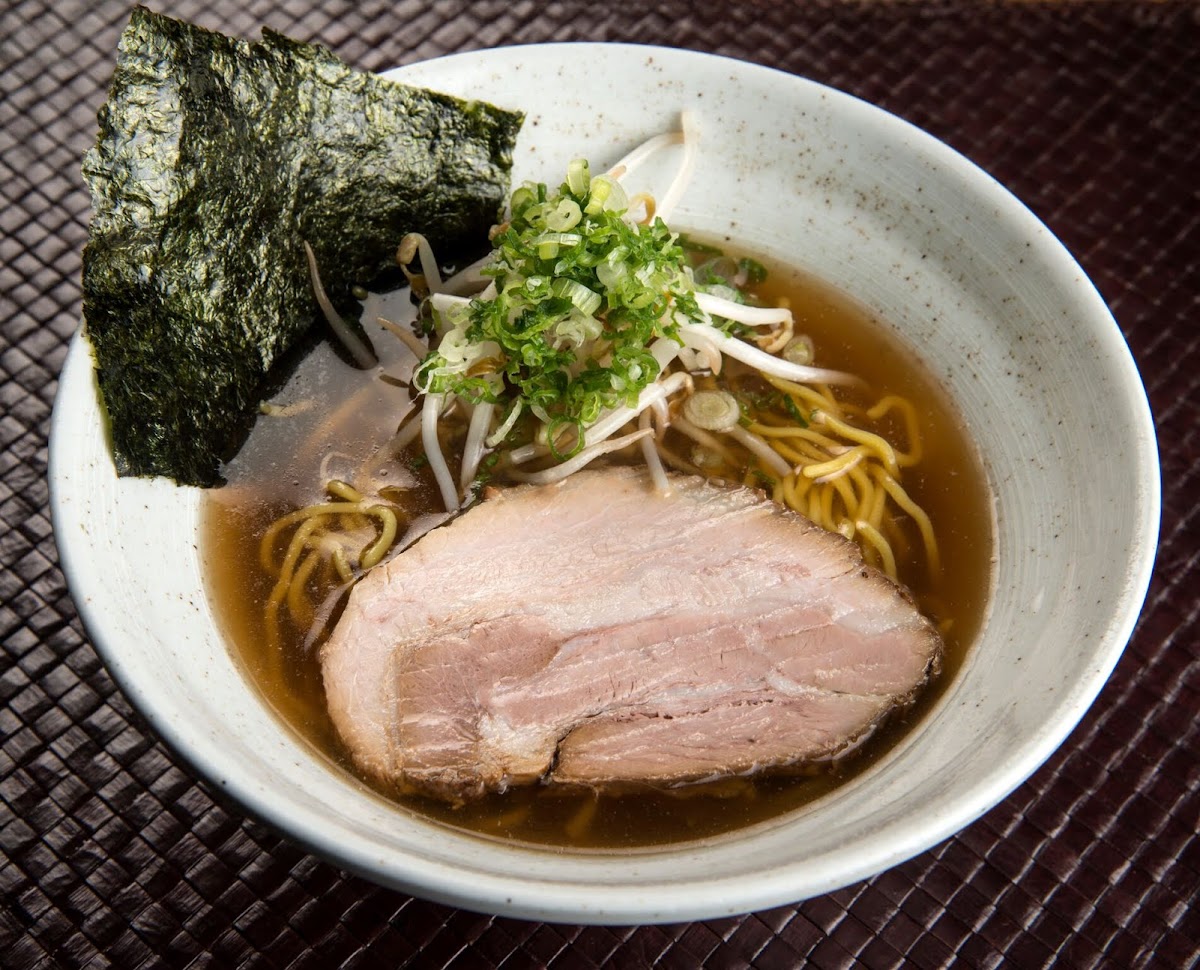
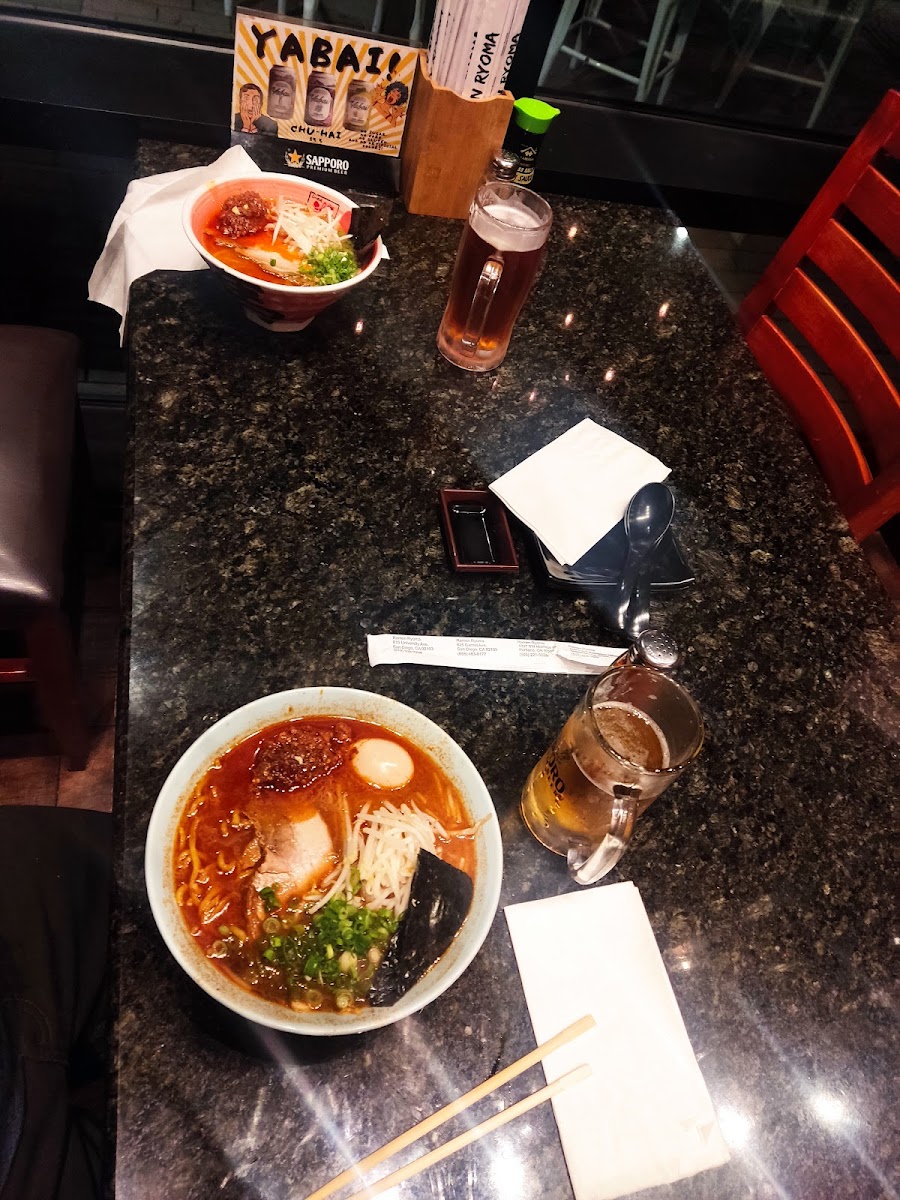
The menu is compact but smartly built. You’ll find the classic Ryoma Ramen with chashu pork, soft-boiled egg, green onions, and black garlic oil, plus spicy versions for heat lovers. There’s also a vegetarian ramen that uses mushroom and kombu stock, which is great if you’re avoiding meat. When I brought my cousin here last winter, she ordered the veggie option and said it was the first meatless ramen she’d had that didn’t feel like a downgrade.
What really impressed me is the noodle texture. The thin Hakata noodles arrive firm with a slight bite, and you can even choose how cooked you want them, a customization common in Fukuoka ramen shops. The National Restaurant Association notes that customization is one of the top drivers of customer satisfaction in casual dining, and this is a perfect real-world example. It’s not just about flavor, it’s about control.
Hillcrest is known for its nightlife, so I’ve dropped in here after concerts or late evenings more times than I can count. The space is cozy, with wood counters and a few tables lining the walls. It’s not a huge dining room, but that’s part of the charm. You sit close to other diners, trading casual nods while slurping noodles, which is exactly how ramen culture works in Japan. The Japan Times once described ramen as a social meal that thrives in tight, lively spaces, and this restaurant absolutely nails that vibe.
Reviews around San Diego back this up. Local food bloggers consistently rank it among the top ramen spots in the city, and I’ve seen it mentioned alongside places like Menya Ultra and Tajima in regional dining lists. Yelp data from last year showed that ramen shops in urban areas with under 40 seats tend to get higher repeat-visit ratings, and this location fits that profile perfectly.
Service is fast but friendly. During one visit, I accidentally spilled half my iced tea, and the staff had a new one in front of me within seconds, no awkward looks, no extra charge. It’s small moments like that which build trust in a restaurant.
Of course, there are limitations. Parking on University Avenue can be rough during peak hours, and wait times can stretch to 30 minutes on weekends. The menu also doesn’t rotate much seasonally, so if you’re looking for experimental broths or limited-time bowls, you might feel a bit boxed in. Still, consistency is part of their identity, and for a lot of regulars, that reliability is exactly why they keep coming back.
Every time I leave, I notice the same thing: empty bowls stacked on tables, people lingering outside debating dessert spots, and that satisfied, sleepy ramen glow you only get after a really good meal. That’s not marketing, that’s experience talking.